
1.5 TMR Scan



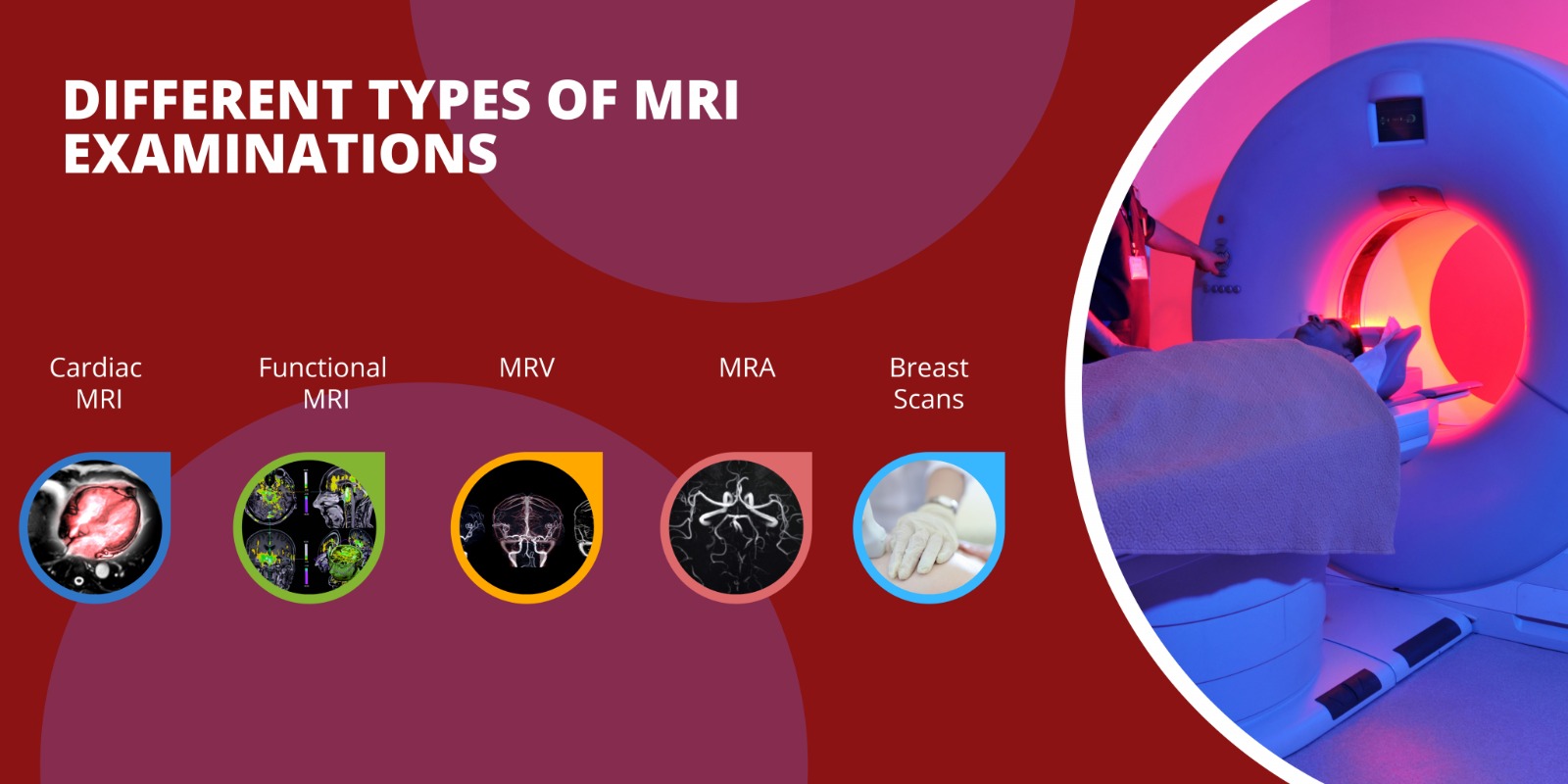
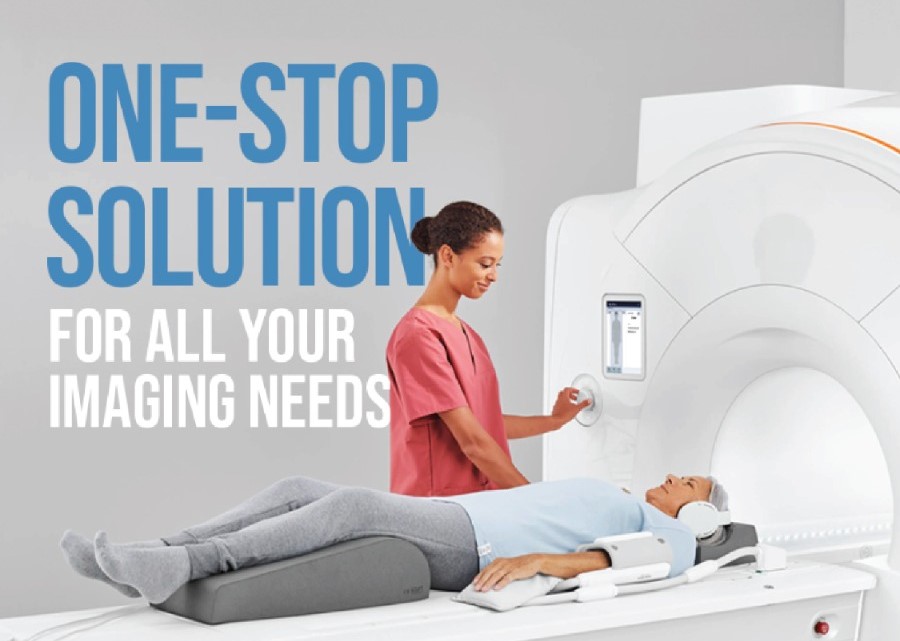
At VR Scan, we offer advanced 1.5T MRI scans using cutting-edge technology for precise imaging of organs, tissues, and structures. Ideal for neurological, orthopedic, and full-body scans, our system delivers high-resolution, radiation-free images for accurate diagnosis and treatment planning.
Our MRI provides 3D, isotropic imaging with exceptional soft-tissue contrast—completely non-invasive and safe. Trusted by doctors and patients alike, VR Scan ensures clarity, accuracy, and reliability.
We also provide a full suite of diagnostic services including X-rays, Ultrasound, Doppler, CT scans, and lab tests, all handled by experienced professionals for fast, dependable results.
Choosing an 1.5 TMR Scan can offer several benefits depending on your medical needs. Here are some reasons why you might consider opting for an 1.5 TMR Scan:
 Higher Resolution Images
1.5 TMR Scan machines often provide higher resolution images, which can help in detecting smaller or more subtle abnormalities that might be missed by standard MRI machines.
 1.5 Tesla Available
Our 1.5 Tesla delivers ultra-high-resolution imaging for enhanced clarity and precision. With twice the magnetic strength of standard MRI, it provides faster scans and sharper details.
 Non-Invasive and Safe:
MRI scans do not use ionizing radiation, making them a safer option compared to CT scans or X-rays, especially for patients who require multiple imaging sessions.
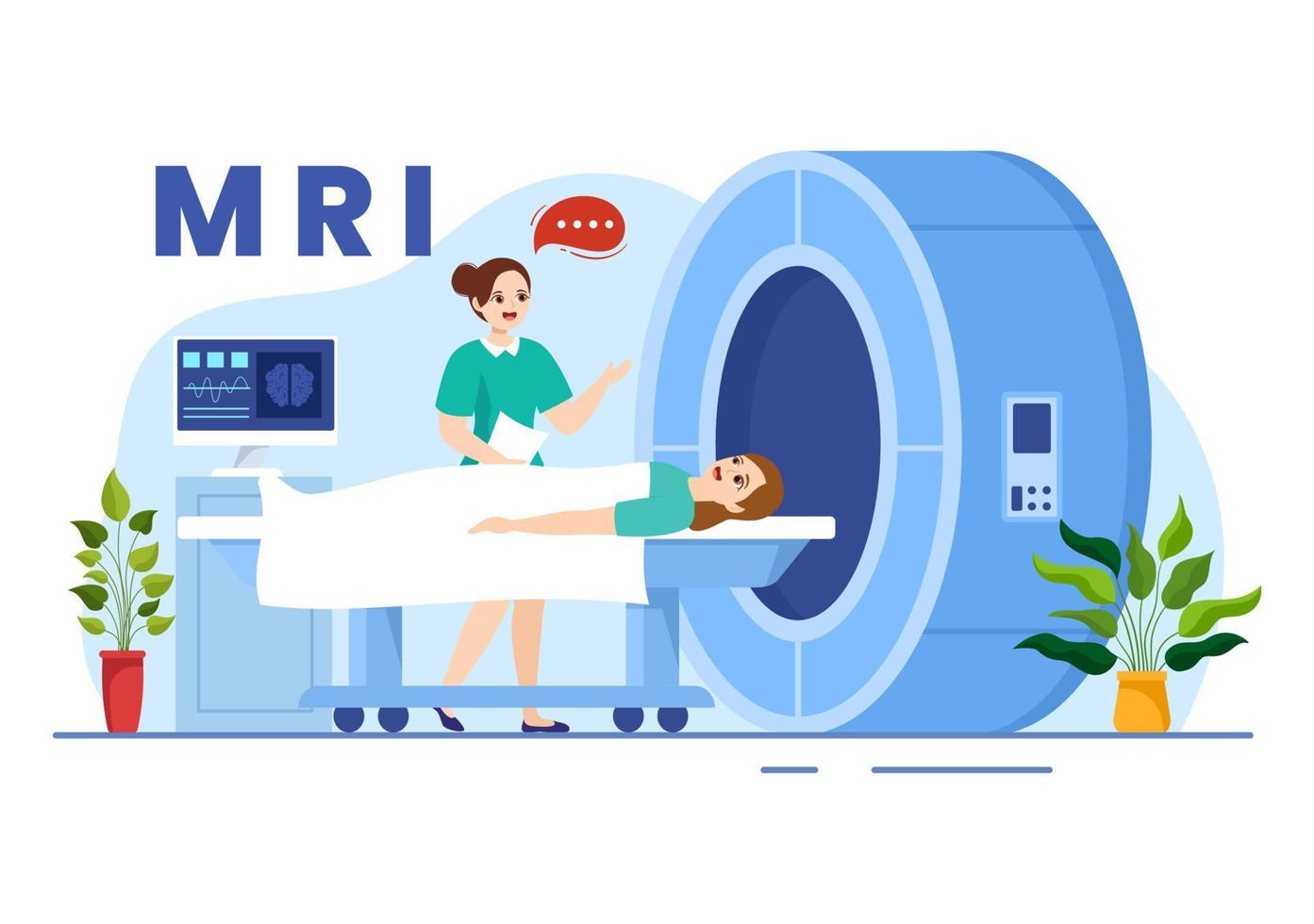
We offer comprehensive MRI services, including brain, spine, musculoskeletal, cardiac, and full-body scans. Our advanced imaging technology ensures high-resolution, accurate diagnostics for various medical conditions. Experience safe, fast, and precise MRI scans with expert analysis.

A brain MRI provides detailed images of the brain's structure, helping diagnose conditions like tumors, strokes, or neurological disorders

A spine MRI offers detailed images of the spinal cord, vertebrae, and surrounding tissues, aiding in diagnosing issues like herniated discs, spinal stenosis, or injuries.

A musculoskeletal MRI provides detailed images of bones, joints, muscles, and soft tissues, helping diagnose injuries, arthritis, or sports-related conditions.

A cardiac MRI provides detailed, non-invasive imaging of the heart's structure, function, and blood flow, aiding in the diagnosis and management of heart conditions.

MRI Angiogram is a safe, non-invasive imaging test that provides highly detailed images of blood vessels using magnetic fields and radio waves.

It helps detect abnormalities at a molecular level, providing crucial insights into brain disorders, tumors, metabolic diseases, and more.
A Stroke Protocol MRI is a specialized imaging test designed to detect, evaluate, and manage stroke-related conditions quickly and accurately.

A Cardiac MRI is an advanced imaging test that provides detailed, high-resolution images of the heart and blood vessels.
An MRI (Magnetic Resonance Imaging) scan is a non-invasive imaging technique that uses magnetic fields and radio waves to create detailed images of organs, tissues, and structures inside the body.
Yes, MRI machines produce loud knocking or buzzing sounds. You'll be provided with earplugs or headphones to minimize the noise.
Yes, children can have MRI scans. In some cases, sedation may be used to help them stay still during the procedure.
The duration of MRI scan depends on the area being examined and the type of imaging required. Typically, an MRI scan takes 15 to 60 minutes.
MRI scans are generally considered safe during pregnancy, especially after the first trimester, as they do not use ionizing radiation. However, MRI is typically recommended only if the benefits outweigh the risks and if other imaging methods (like ultrasound) cannot provide the necessary information